
Main daily foods in the past were bread and pasta – in one kneading in the past, they made between 7 and 15 loaves of bread, as the household was large. “Shupla” – a type of flat bread made from eggs, cow’s butter, flour and crumbled cheese – has become an everyday dish today. Learn more about the everyday life in Razlog and learn the traditional Razlog recipe for making Shupla.
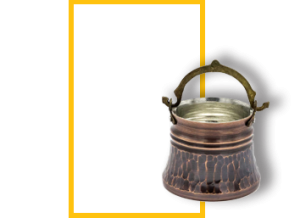
The traditional cuisine of the Razlog region has preserved specific local dishes prepared for weekdays and holidays. It bears the typical features of mountain pastoral towns, but the Christian calendar has inevitably left its mark on it. Seasonality in dishes and food consumption is clearly expressed. Throughout the agricultural year, the local people diligently prepare for the harsh and long winter that prevails in this region.
Everyday life in Razlog and the Razlog region is marked by a number of traditions and rituals related to both agriculture and animal fertility, as well as people’s health and well-being.
Such are the beliefs about good and bad days when certain daily activities are performed. Good days of the week are Monday, Tuesday and Thursday – then clothes are cut and typical foods such as pickles are prepared. Rituals for health and fertility are performed.
During the bad days: Wednesday, Friday and Saturday, certain signs and events are observed, through which the future is predicted.
The everyday life in Razlog is associated with performing specific actions to ward off evil forces, protect crops, fortune telling, finding a partner and others. In many of these activities, food and food consumption are a key element.